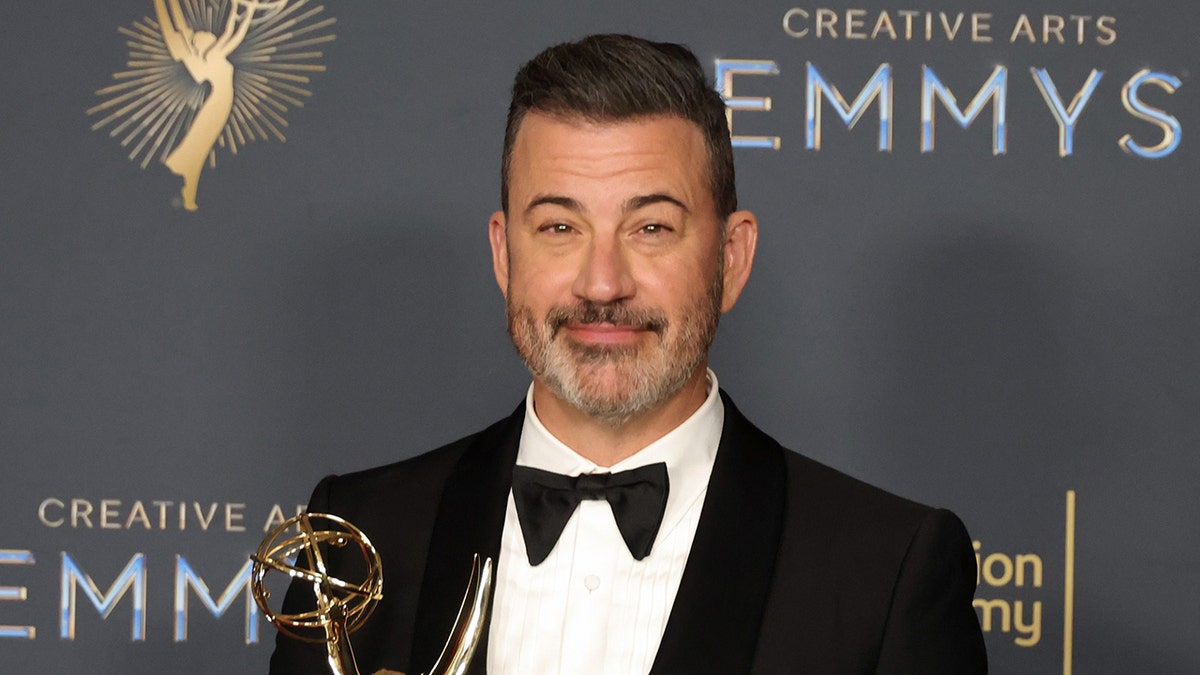
The gloves are off. A high-ranking communications official from former President Donald Trump’s inner circle has launched a scathing public attack on late-night host Jimmy Kimmel, labeling him a “s t human” and calling for his immediate dismissal from ABC. The explosive remark, made during a live radio interview and later amplified on social media, has reignited long-simmering tensions between conservative political operatives and mainstream entertainment figures.
This isn’t just another celebrity feud. It’s a calculated strike at the intersection of political messaging, media credibility, and cultural influence—one that underscores how deeply personal and polarized the war for public perception has become.
The Statement That Sparked the Firestorm
During a guest appearance on a conservative talk show, Trump’s former communications director (widely reported to be Jason Miller, a longtime senior advisor) didn’t hold back when asked about Jimmy Kimmel’s recent monologue mocking Trump’s legal battles and campaign rhetoric.
“Kimmel isn’t a comedian—he’s a hitman for the left,” Miller said. “He’s not entertaining, he’s malicious. Every joke is engineered to dehumanize conservatives. The man is a s t human, and ABC needs to fire him before they lose all remaining credibility.”
The comment, laced with raw indignation, quickly went viral across right-leaning platforms. Clips circulated on X (formerly Twitter), Truth Social, and Rumble, with supporters echoing the sentiment that Kimmel crosses the line from satire into character assassination.
What makes this different from past criticisms is the direct call for termination—a move rarely seen from former White House officials toward entertainers.
Why Kimmel Remains a Conservative Target
Jimmy Kimmel hasn’t just poked fun at Trump. Over the past eight years, his monologues have consistently framed the former president as a threat to democracy, a purveyor of lies, and a figure of national embarrassment. From reciting classified documents on air to editing clips of Trump’s speeches with clown sound effects, Kimmel’s approach leans heavily into ridicule.
But critics argue it’s gone beyond comedy.
Take the November 2023 episode where Kimmel aired a doctored video of Trump’s mug shot being tossed into a trash can, set to the sound of flushing. Or his segment “How to Hide a Crime,” which used a cooking show format to mock Trump’s handling of classified documents.
These aren't subtle jabs. They’re full-throated satirical attacks designed to provoke, not just amuse.
For figures in Trump’s orbit, this isn’t protected speech under the banner of comedy—it’s weaponized entertainment. And when network television amplifies it nightly, they see ABC not as a broadcaster, but as an active political participant.
The Line Between Satire and Smear
Satire has always walked a tightrope. The best political comedy challenges power, exposes hypocrisy, and holds leaders accountable. Think of Jon Stewart’s takedown of Congress or Stephen Colbert’s Supreme Court testimony.
But satire becomes problematic when it stops inviting reflection and starts preaching to the choir.
Kimmel’s monologues often lack the nuance that once defined late-night critique. Instead, they operate on a feedback loop: outrage from the right fuels more outrage from the left, which Kimmel then mocks again the next night.
Consider this pattern:
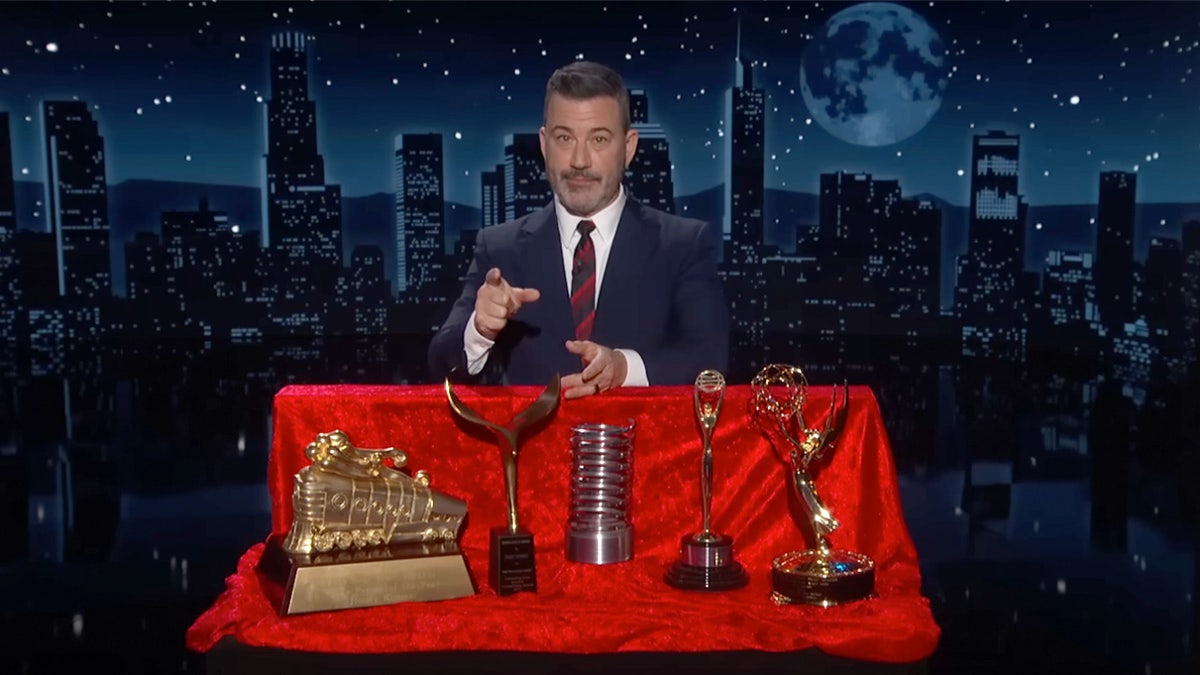
- Trump says something controversial.
- Kimmel delivers a monologue mocking Trump’s intelligence, appearance, or behavior.
- Conservative media brands this as “dehumanizing.”
- Kimmel responds by mocking the outrage itself.
- The cycle repeats.
What’s missing? Dialogue. Perspective. The kind of humor that makes you think, not just react.
When a communications strategist like Miller calls Kimmel a “s t human,” he’s not just expressing anger—he’s framing the argument as one of dignity versus degradation. And in that narrative, ABC becomes complicit by giving Kimmel a nightly platform.
ABC’s Dilemma: Free Speech or Complicity?
ABC, as a corporate entity, faces a near-impossible balancing act. On one hand, Kimmel is one of its highest-rated primetime assets. Jimmy Kimmel Live! consistently outperforms competitors in key demographics and remains a staple of the network’s late-night lineup.
On the other, the backlash from conservative audiences—and their affiliated advertisers—could have real financial consequences.
Yet firing Kimmel over political criticism would set a dangerous precedent. Networks have long defended editorial independence, even when content sparks controversy. Imagine the outcry if ABC dismissed a host for criticizing a Democratic politician.
Still, the Trump camp isn’t asking ABC to censor dissent. They’re arguing that Kimmel has abandoned satire in favor of character assassination—and that the network has a responsibility to draw a line.
“Don’t confuse repetition for courage,” Miller added during the interview. “Mocking a man’s speech patterns or mental state isn’t brave. It’s cheap. It’s lazy. And it’s dehumanizing.”
Comparing the Late-Night Landscape
Not all late-night hosts approach political humor the same way. To understand why Kimmel draws such ire, it’s worth comparing his style to peers.
| Host | Network | Tone | Conservative Reception |
|---|---|---|---|
| Jimmy Kimmel | ABC | Direct, mocking, emotionally charged | Highly negative |
| Stephen Colbert | CBS | Intellectual satire, absurdist framing | Criticized but respected |
| Seth Meyers | NBC | Data-driven, policy-focused outrage | Dismissed as partisan |
| John Oliver | HBO | Investigative deep dives | Viewed as activist, not comic |
| Trevor Noah (former) | Comedy Central | Global perspective, cultural critique | Mixed, less targeted |
Kimmel stands out for his emotional delivery and reliance on visceral reactions—often showing real footage of Trump with exaggerated sound effects or captions. While effective for engagement, this approach is seen by critics as bordering on propaganda.
Colbert, by contrast, often satirizes both sides, making absurd characters to lampoon political extremes. Meyers leans into facts and legislative details. Oliver spends 20-minute segments dissecting policy.
Kimmel’s brand? Punchy, personal, and unrelenting.
For supporters, that’s accountability. For critics, it’s bullying.
Can Comedy Still Punch Up?
The old adage in comedy is to “punch up, not down.” Historically, that meant targeting the powerful, the wealthy, the institutions—not marginalized groups.
But in the post-2016 political era, the lines have blurred. Is Trump still “powerful” if he’s out of office and facing indictments? Or is mocking him—especially on appearance, speech, or mental acuity—now “punching down”?
Trump’s team argues the latter. They claim Kimmel exploits perceived vulnerabilities—slurring words, repeating phrases, showing confusion—to paint Trump as subhuman.
And when ABC airs these clips nightly to millions, they’re not just broadcasting jokes. They’re shaping perception.
Consider a 2022 segment where Kimmel slowed down audio of Trump speaking and added cartoonish “wah-wah” sounds. No policy critique. No context. Just ridicule.
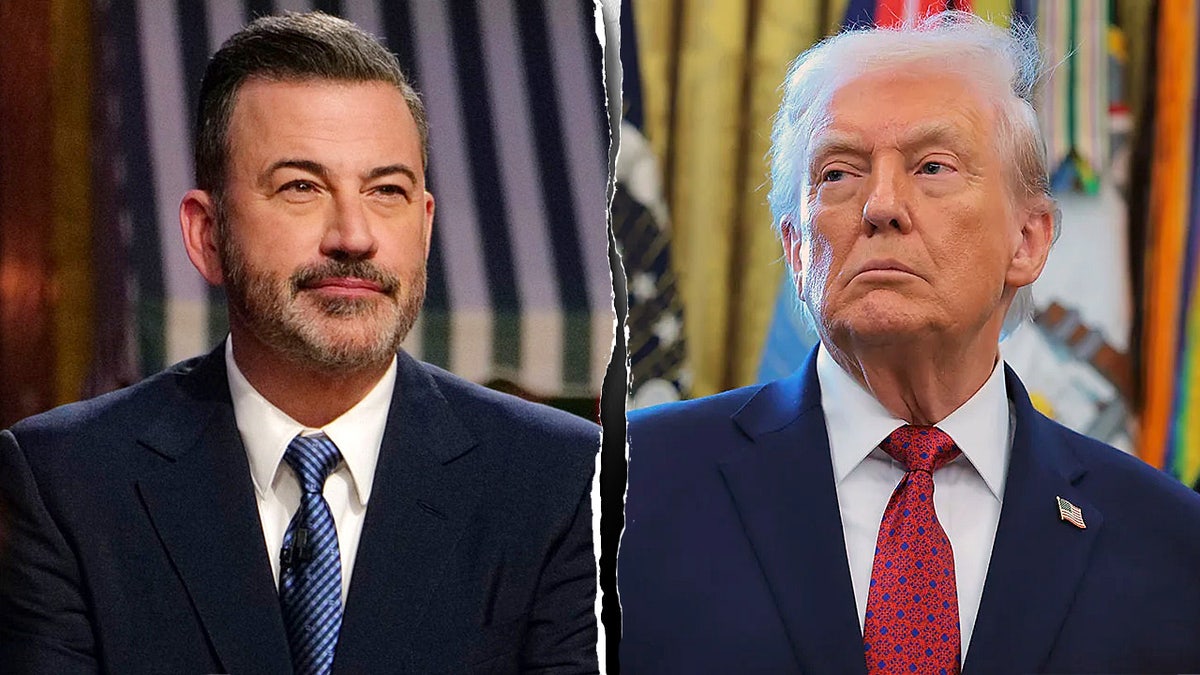
Was that commentary? Or dehumanization?
When a communications director calls a comedian a “s t human,” he’s not just defending his boss. He’s challenging the ethics of modern political comedy itself.
The Real Stakes: Media Trust and Political Division
At its core, this feud isn’t really about Jimmy Kimmel—or even ABC.
It’s about who controls the narrative.
Trump’s communications team has long operated on a strategy of delegitimizing hostile media. From calling reporters “enemies of the people” to boycotting major networks, the message is consistent: mainstream outlets can’t be trusted.
Kimmel, as a high-profile voice on a major network, represents everything that strategy opposes. He’s credible, influential, and unapologetically critical.
So when Miller calls for Kimmel to be fired, he’s not expecting ABC to actually do it. He’s reinforcing a broader narrative: that the entertainment-media complex is rigged against conservatives.
And that message resonates.
Polls show that over 70% of Republicans believe mainstream media deliberately misrepresents them. Attacks on figures like Kimmel feed that belief—and strengthen the echo chambers that sustain political polarization.
What Comes Next?
Will ABC fire Jimmy Kimmel? Almost certainly not. He’s under contract, highly rated, and protected by First Amendment norms.
But the pressure isn’t going away.
As the 2024 election heats up, expect more attacks on media figures from both sides. Kimmel will likely continue his monologues. Trump’s team will keep labeling them as malicious.
The real casualty? The shrinking space for humor that unites instead of divides.
Late-night comedy used to be a shared cultural experience—a place where Americans of different stripes could laugh at the absurdity of politics. Now, it’s another battleground.
Firing Kimmel won’t fix that. But recognizing when satire crosses into scorn might be a start.
For networks, hosts, and viewers alike, the question isn’t just about who gets to joke about power—but how they do it.
Actionable takeaway: If you're in media or communications, evaluate whether your content invites reflection or only reinforces bias. The most enduring satire doesn’t just mock—it makes people think.
FAQ
Why did Trump’s comms director call Jimmy Kimmel a “s t human”? He accused Kimmel of crossing the line from satire into personal attacks, claiming his monologues dehumanize political opponents.
Is Jimmy Kimmel likely to be fired by ABC? No. Kimmel is a top-rated host with a long-standing contract, and ABC is unlikely to terminate him over political backlash.
Has Jimmy Kimmel always targeted Trump? Kimmel criticized Trump before his presidency, but the intensity increased significantly after 2016, especially during and after his time in office.
What’s the difference between satire and dehumanization? Satire uses humor to critique ideas or power structures; dehumanization attacks a person’s dignity, intelligence, or worth in a way that strips them of humanity.
Are other late-night hosts also criticized by conservatives? Yes, but Kimmel and Seth Meyers receive the harshest criticism for their direct, emotionally charged monologues.
Does ABC respond to political pressure? ABC rarely comments on criticism of its talent, typically defending editorial independence and the separation between news and entertainment.
Could this affect Kimmel’s ratings? Unlikely. The backlash has energized his base, and such controversies often boost viewership in polarized media environments.
FAQ
What should you look for in Trump Aide Slams Jimmy Kimmel as 'S T Human' – ABC Under Fire? Focus on relevance, practical value, and how well the solution matches real user intent.
Is Trump Aide Slams Jimmy Kimmel as 'S T Human' – ABC Under Fire suitable for beginners? That depends on the workflow, but a clear step-by-step approach usually makes it easier to start.
How do you compare options around Trump Aide Slams Jimmy Kimmel as 'S T Human' – ABC Under Fire? Compare features, trust signals, limitations, pricing, and ease of implementation.
What mistakes should you avoid? Avoid generic choices, weak validation, and decisions based only on marketing claims.
What is the next best step? Shortlist the most relevant options, validate them quickly, and refine from real-world results.